

Why Choose HIPAA Compliant IT Services in Texas for Secure Healthcare Data Protection
In the rapidly evolving world of healthcare, safeguarding patient data is crucial. HIPAA compliant IT services play a vital role in ensuring that healthcare organizations maintain confidentiality and integrity when managing sensitive health information. This article explores the key aspects of HIPAA compliance and its importance for healthcare providers in Texas. By understanding these elements, organizations can protect patient data more effectively while gaining trust from clients and avoiding legal repercussions. We will delve into the compliance requirements, key security measures, benefits of these services, and how local Texas providers can ensure successful IT management in the healthcare sector.
Importance of HIPAA Compliant IT Services
HIPAA compliance is essential for healthcare providers as it ensures the protection of patient data through a series of regulations established by the Health Insurance Portability and Accountability Act. These regulations safeguard sensitive information by mandating that organizations implement appropriate security measures. HIPAA compliant IT services not only protect patient data but also build trust with clients, as they underscore a commitment to maintaining confidentiality. Furthermore, adhering to these regulations aids in avoiding hefty legal penalties associated with data breaches, making compliance not just a necessity but a priority.
Compliance Requirements
To achieve HIPAA compliance, healthcare organizations must adhere to several core requirements. These include:
- Core HIPAA Rules: Healthcare providers must understand the Privacy Rule, Security Rule, and Breach Notification Rule, which dictate how patient data should be handled and protected.
- Risk Assessments: Regular risk assessments should be conducted to identify potential vulnerabilities in data management practices, ensuring that all aspects of data protection are covered.
- Business Associate Agreements: Any third-party vendor that accesses protected health information (PHI) must sign a Business Associate Agreement, ensuring their compliance with HIPAA regulations.
Key Security Measures

Implementing effective security measures is crucial for achieving HIPAA compliance. Key measures include:
- Encryption of Data: Encrypting electronic protected health information (ePHI) helps prevent unauthorized access during storage and transmission.
- Access Control Measures: Limiting access to sensitive information ensures that only authorized personnel can view or interact with ePHI, thereby minimizing the risk of data breaches.
- Incident Response Plans: Establishing clear plans for responding to security incidents is essential to mitigate damage when breaches occur, including notification procedures in accordance with HIPAA regulations.
Benefits of HIPAA Compliant IT Services
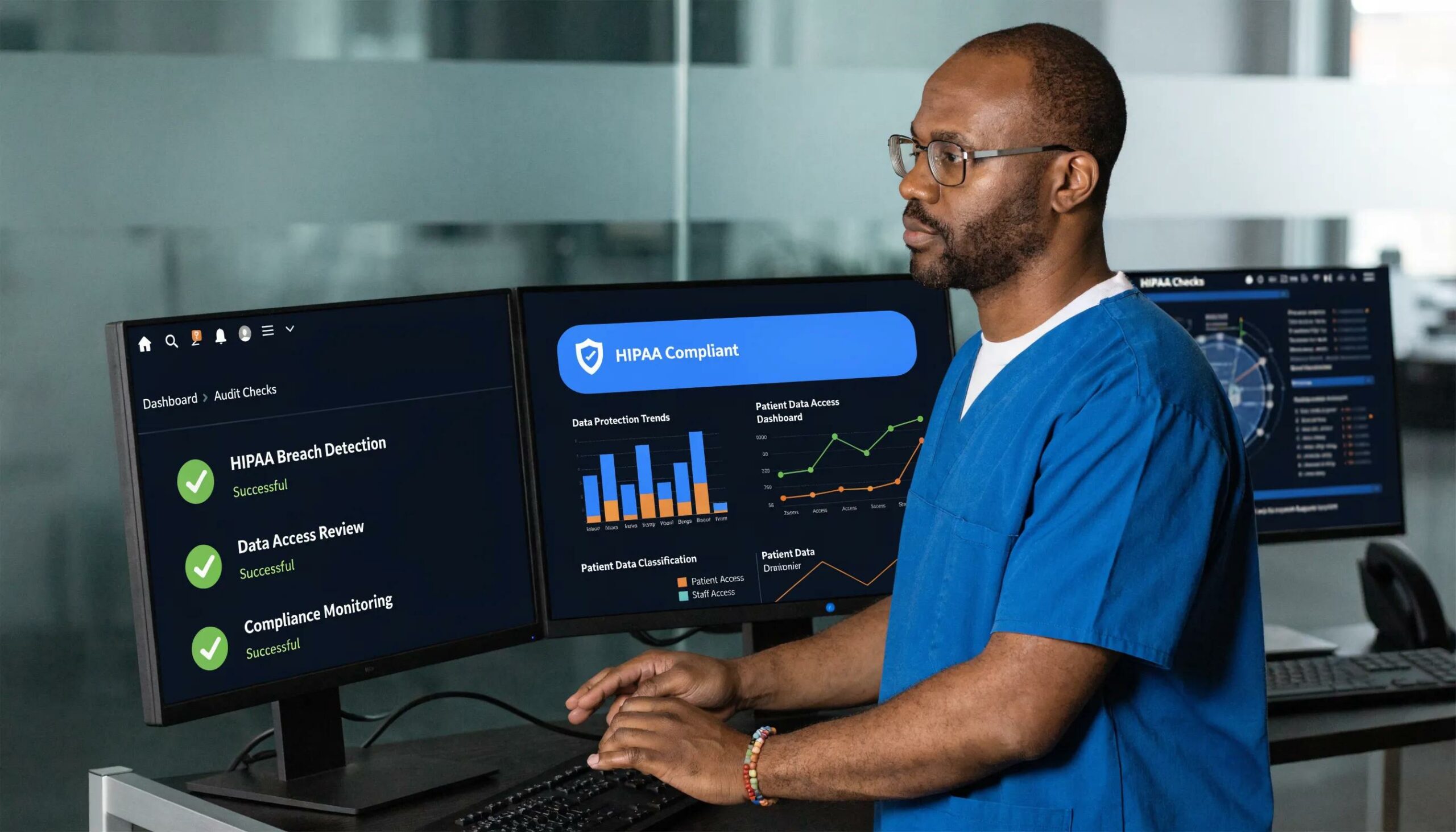
Choosing HIPAA compliant IT services offers numerous advantages for healthcare organizations, especially those located in Texas. These benefits include:
- Expert Compliance Support: Specialized IT services provide the expertise required to navigate the complexities of HIPAA regulations confidently.
- 24/7 IT Monitoring: Continuous monitoring ensures that any security threats are addressed immediately, reducing the potential for data breaches.
- Backup and Disaster Recovery: Robust disaster recovery solutions safeguard important data, ensuring that healthcare organizations can recover quickly in case of emergencies.
Tech Support 4 Business focuses on delivering comprehensive managed IT services tailored to SMBs within Texas, particularly in the Dallas Fort Worth Metroplex. Their specialized offerings can help ensure that your organization meets all necessary compliance standards while providing state-of-the-art security solutions.
How Do Managed IT Services Ensure HIPAA Compliance and Data Protection in Texas?
Managed IT services play a critical role in ensuring HIPAA compliance by implementing best practices and advanced technologies. These services provide continuous monitoring and updates to align with evolving regulations, helping healthcare organizations maintain compliance and adapt to new challenges. Additionally, the integration of advanced security measures, such as firewalls and intrusion detection systems, helps protect sensitive patient information from cyber threats.
Why Choose Local Texas HIPAA Compliant IT Companies for Healthcare IT Security Solutions?
Opting for local Texas-based HIPAA compliant IT companies offers distinct advantages for healthcare organizations. These companies have a deeper understanding of Texas healthcare regulations and are more attuned to the specific needs and challenges faced by local providers. Furthermore, local companies can provide personalized service approaches that foster stronger relationships and enhance client satisfaction. This localized expertise plays a crucial part in the successful implementation of IT solutions tailored to healthcare providers.
How Can HIPAA Compliant IT Services Help Your Texas Healthcare Business Prepare for Audits?
Preparing for HIPAA audits is a critical aspect of managing healthcare data. HIPAA compliant IT services can help organizations by:
- Compliance Requirement Knowledge: Offering insights into specific compliance requirements related to the healthcare sector to ensure readiness.
- Audit Preparedness Strategies: Developing comprehensive strategies to facilitate audits, including necessary documentation and evidence of compliance.
Key Steps in HIPAA Audit Preparation for Texas SMBs
To effectively prepare for HIPAA audits, Texas SMBs should focus on several key steps:
- Documentation: Organizations should maintain up-to-date records of policies, procedures, and compliance training for all employees.
- Employee Training Programs: Regular training programs should be established to ensure that all personnel are knowledgeable about HIPAA regulations and the importance of data protection.
- Regular Compliance Reviews: Conducting routine reviews of compliance processes ensures organizations are always audit-ready and minimizes the risk of penalties.
How Do Ongoing Compliance Management Services Support Regulatory Updates in 2026?
The landscape of healthcare regulations is ever-changing, and ongoing compliance management services are integral for keeping up with these updates. These services provide continuous monitoring of regulations, ensuring that your healthcare organization can quickly adapt to changes as they arise. This proactive approach not only supports compliance but also alleviates the burden on internal resources, allowing healthcare providers to focus on patient care while maintaining the necessary regulatory standards.